
Uppsala Reports editor
@UMCGlobalSafety

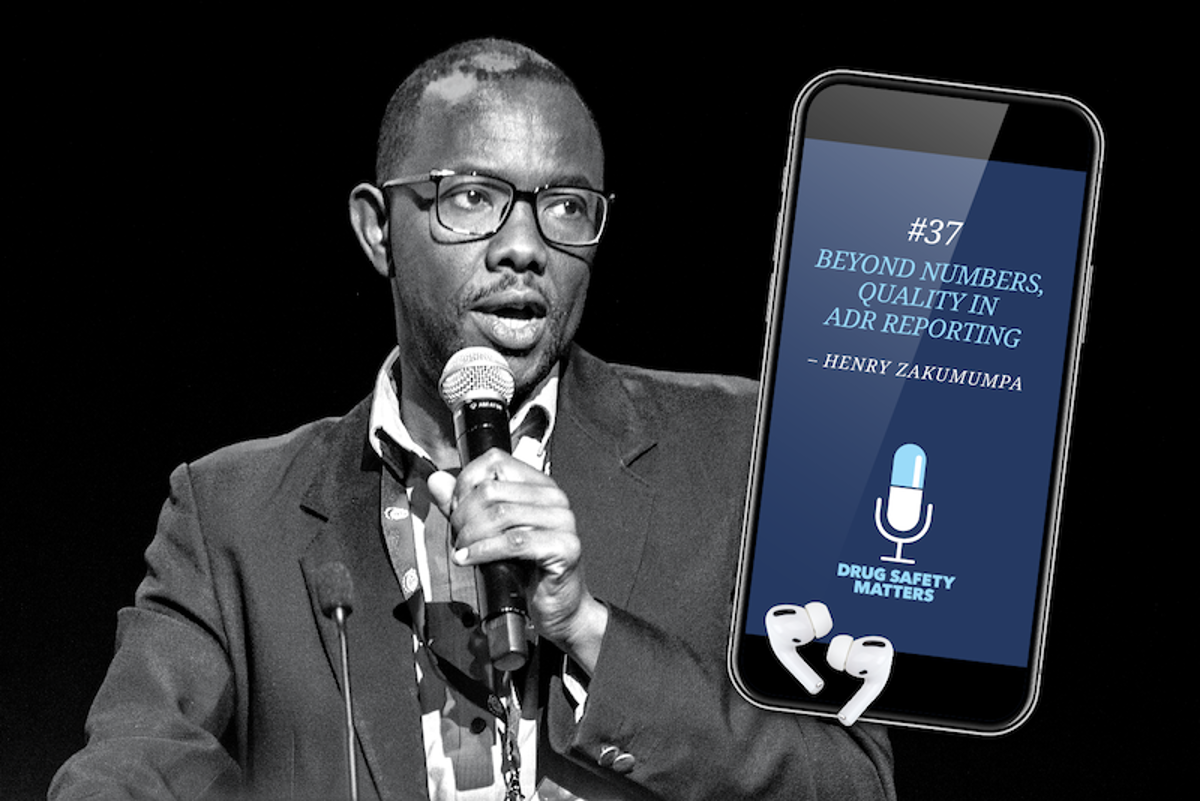
Spontaneous adverse event reports pose significant challenges to pharmacovigilance scientists. How may we turn them into opportunities that benefit our pharmacovigilance systems?
Spontaneous adverse event reporting keeps the wheel of pharmacovigilance turning, but poses significant challenges that impact its efficacy. For one, only a fraction of adverse events are reported, and what is reported is of poor quality.
In this episode of Drug Safety Matters, Fredrik Brounéus is joined by Henry Zakumumpa, a researcher at Makerere University in Kampala, Uganda whose qualitative study on factors affecting adverse event reporting in the country has uncovered some surprising findings.
Uppsala Reports editor
@UMCGlobalSafety
An Australian research team is using artificial intelligence to improve the safe dosing of unfractionated heparin, a high-risk drug linked to serious side effects.
30 March 2026
Complementary medicines are widely used and often perceived as safe, yet high doses, product stacking, and unclear labelling can quietly increase the risk of harm.
07 April 2026
While underreporting remains a persistent global challenge, innovative approaches are showing promise in different regions
18 February 2026