
Tommy Emil Dzus
PhD student, Oslo Metropolitan University

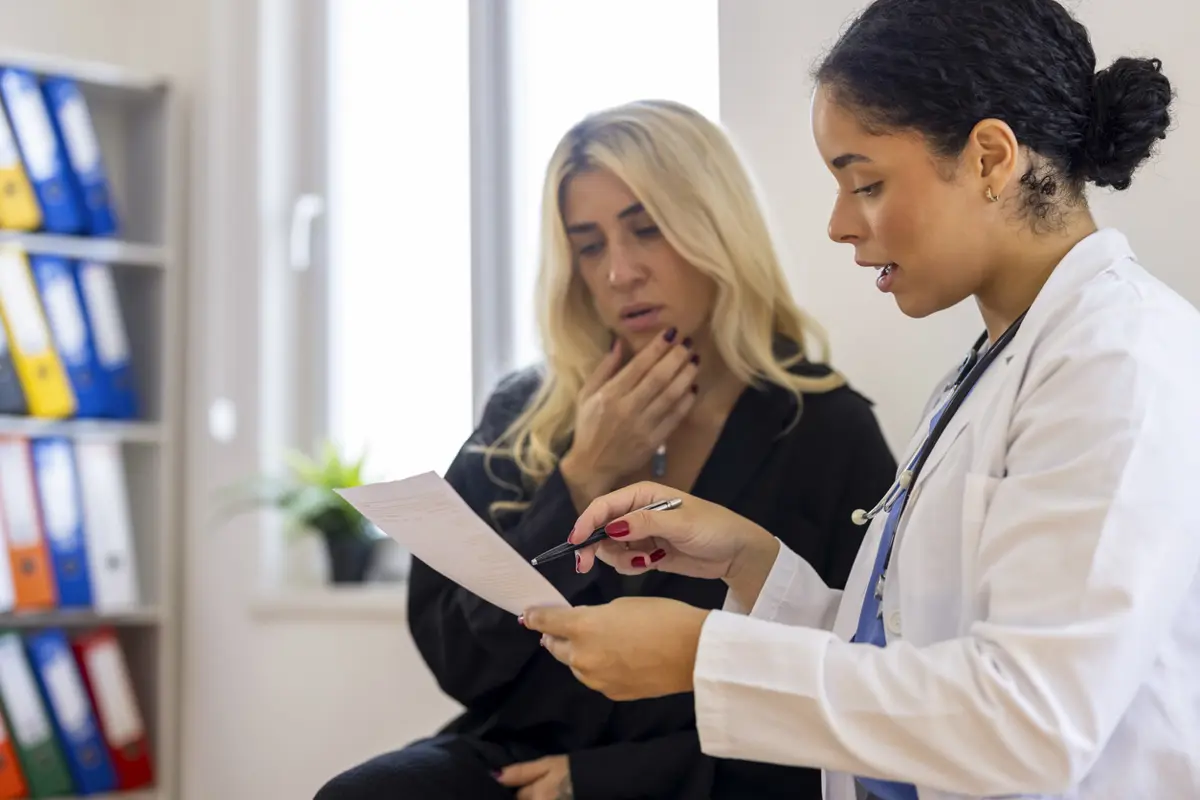
Analysis of paired reports from the Norwegian ADR Registry suggests merging consumer and healthcare professional accounts of the same adverse event may improve causality assessment
Pharmacovigilance is reliant on reporting and analysis of suspected adverse drug reactions (ADRs). If an individual taking their medicine or vaccine experiences an ADR, the information about what happened is hopefully reported. In Norway, the individual may report the ADR to the national regulatory authority themselves, or the ADR may be reported by healthcare personnel they have been in contact with or by a carer or relative. Each of these possible “reporters” may have a different understanding of what happened and could retell the events with varying levels of detail.
Most of the time, only one of these individuals reports the suspected ADR, but sometimes several people may report on the same ADR experience. This results in duplicate reports in pharmacovigilance databases, which require merging or deduplication to avoid including the same case multiple times in case management and subsequent analyses. However, such duplicate reports are a treasure trove for pharmacovigilance scientists, as different accounts of the same adverse event may be useful in assessing causality between an ADR and a particular drug.
In Norway, new legislation in 2020 required that a reporter of an ADR must be identifiable by social security number or other personal identifier, regardless of whether the reporter is the consumer who experienced the ADR, or a healthcare professional reporting on behalf of their patient. The year also marked the start of the COVID-19 pandemic and vaccination campaign, which ultimately resulted in high numbers of adverse event reports submitted to the Norwegian Medical Products Agency. Thanks to this new legislation, it was possible to easily identify duplicate COVID-19 vaccine reports involving the same individual by different reporters. It also provided a unique opportunity to compare the individual's report of the same adverse event with the healthcare professional’s account.

Our research project explores improvements in causality assessment in pharmacovigilance, with a particular focus on safe and sustainable use of medicines in health emergencies. We began the project by comparing the healthcare professionals’ and consumers’ reported information relevant for assessing the causal relationship between the adverse event and the suspected COVID-19 vaccine. We primarily focused on the free-text information; however, the structured fields were also included in our analysis.
We extracted 127 verified duplicate pairs of adverse event reports following COVID-19 vaccination from the Norwegian ADR Registry. Free-text case narratives were analysed using thematic analysis to categorise the text, and a scoring system quantified the completeness of causality-relevant information, with final scores categorised into levels of completeness. We also calculated the time intervals from the onset of the adverse event to when the healthcare professional or consumer submitted their form.
Our thematic analysis found that healthcare professionals more often provided information on COVID-19 vaccine dose details, clinical observations, test results and causality reflections, while consumers more often described dietary supplements taken, impacts on life quality, and subjective explanations for the adverse event. In 85% of the duplicate pairs, the healthcare professional and consumer provided at least 50% complementary information in free-text case narratives. Interestingly, both groups provided similar levels of causality-relevant information with no statistical difference between healthcare professionals and consumers. However, healthcare professionals submitted their adverse event report forms fewer days after the adverse event than the consumers.
The study suggests that healthcare professionals and consumers often provide complementary information that can be very useful for inferring causality. Of course, this study investigates ADR reports in the scenario of vaccine adverse events during a global pandemic. However, it highlights that different reporter perspectives on the same adverse event could prove useful for pharmacovigilance and should be considered. Regardless of whether pharmacovigilance systems are equipped for management of multiple reports on the same case, it shows that more causality-relevant information can be attained from cooperation between the individual experiencing the adverse event and healthcare professionals. For example, the healthcare professional and the consumer could fill out the adverse event report form together. There are plenty of approaches on how to improve collaboration for more complete individual case safety reports, despite the real-world challenges we all face across the globe.
Read more:
Uppsala Reports brings you the research reshaping how the world understands medicines safety.
Subscribe
Tommy Emil Dzus
PhD student, Oslo Metropolitan University
Complementary medicines are widely used and often perceived as safe, yet high doses, product stacking, and unclear labelling can quietly increase the risk of harm.
07 April 2026
An Australian research team is using artificial intelligence to improve the safe dosing of unfractionated heparin, a high-risk drug linked to serious side effects.
30 March 2026
While underreporting remains a persistent global challenge, innovative approaches are showing promise in different regions
18 February 2026