
Uppsala Reports editor
@UMCGlobalSafety

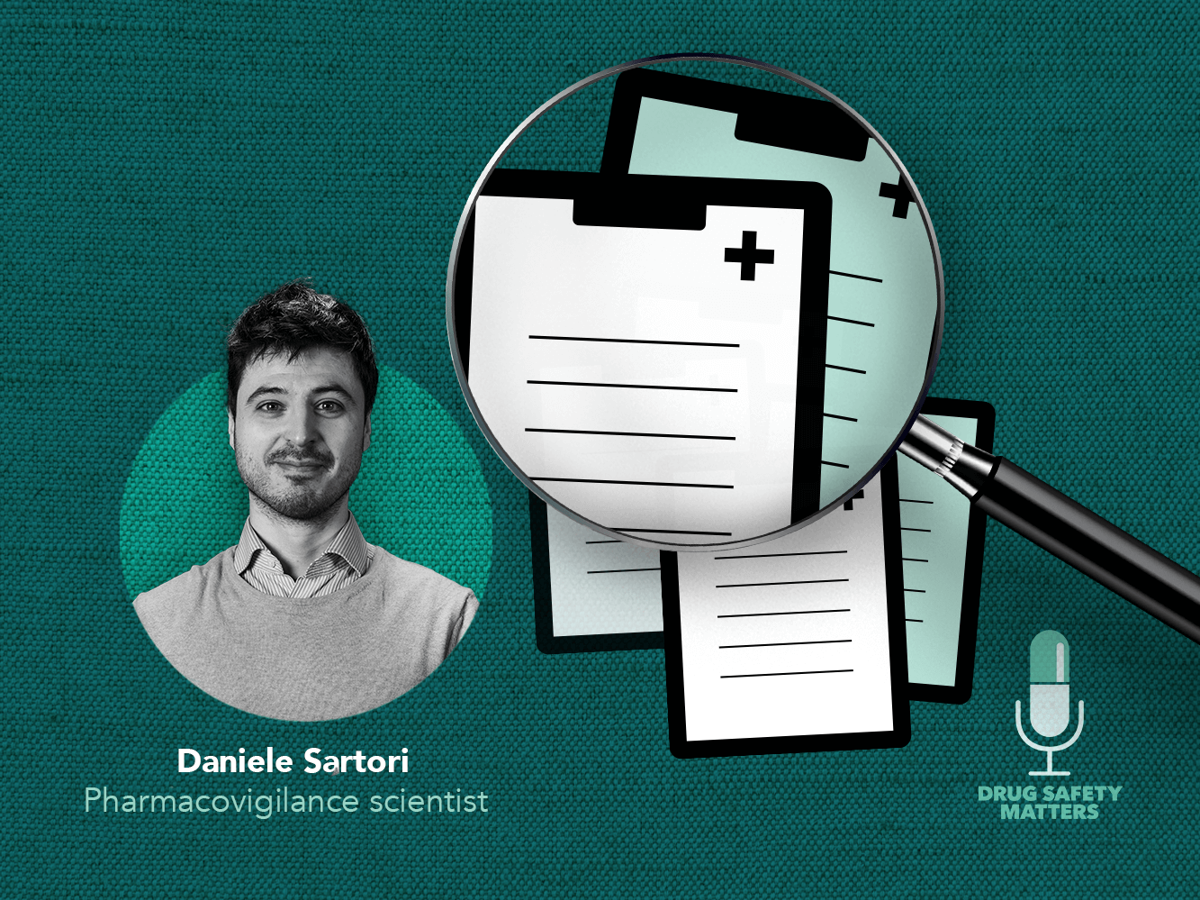
In this digital age, can pharmacovigilance experts leverage on new types of data to find evidence for signals? Listen to the latest Drug Safety Matters podcast to find out.
Spontaneous adverse drug reaction reports have been the proverbial ‘bread and butter’ for signal detection since the beginnings of pharmacovigilance. But times are changing, and with the abundance of data now available in a society that has gone digital, it is time to explore new data sources to detect signals.
Join Federica Santoro and Daniele Sartori, a pharmacovigilance scientist at UMC and doctoral researcher at the University of Oxford, discuss expanding sources of evidence for more reliable signal detection.
Subscribe by visiting the Drug Safety Matters website or listen to the podcast here:
Uppsala Reports editor
@UMCGlobalSafety
Complementary medicines are widely used and often perceived as safe, yet high doses, product stacking, and unclear labelling can quietly increase the risk of harm.
07 April 2026
Analysis of paired reports from the Norwegian ADR Registry suggests merging consumer and healthcare professional accounts of the same adverse event may improve causality assessment
19 August 2026
An Australian research team is using artificial intelligence to improve the safe dosing of unfractionated heparin, a high-risk drug linked to serious side effects.
30 March 2026