
Raymundo Escutia-Gutiérrez
Académico adscrito al Departamento de Farmacobiología, Centro Universitario de Ciencias Exactas e Ingenierías, Universidad de Guadalajara, México

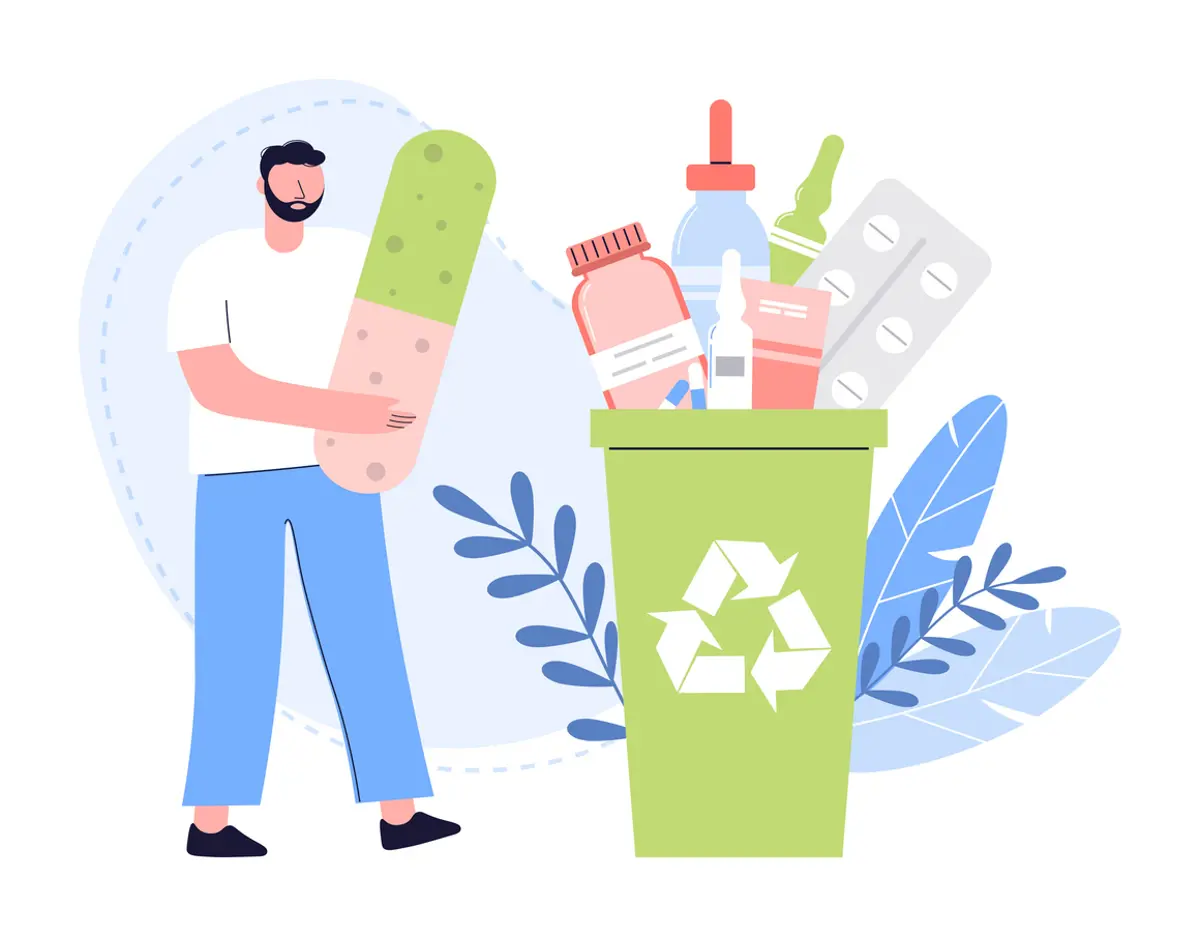
Mexico's new pharmaceutical waste framework puts One Health into practice, from hazardous-waste handling in hospitals to expired pills in the kitchen drawer.
There is a growing international consensus that pharmaceutical pollution is not merely an ecological footnote, but a pressing public health concern, posing significant risks to the environment and public health. Pharmaceutical residues enter the environment during the manufacture, use, and disposal of medications, and active pharmaceutical ingredients have been detected in soil, water, and air. Increasing environmental concentrations have raised concerns regarding ecological impacts, biodiversity loss, and antimicrobial resistance.
To help reduce such risks, Mexico is implementing new measures to integrate medication and medical device management and related waste streams. These measures, as reflected in the Supplement for Establishments Dedicated to the Sale and Supply of Medications, Medical Devices and Other Health Supplies of the Pharmacopoeia of the United Mexican States, follow a comprehensive lifecycle approach that covers waste identification, classification, collection, temporary storage, treatment, and appropriate disposal of pharmaceutical waste. The framework also introduces stronger requirements for traceability, control of hazardous waste, specialised treatment, and environmental protection.
At the heart of Mexico’s updated approach is the acknowledgement that most pharmaceutical waste must be treated as hazardous material and therefore requires controlled handling. Healthcare establishments must implement standardised procedures, use clearly labelled containers, ensure secure temporary storage, maintain detailed records, and work with authorised waste-management companies on the treatment and destruction of pharmaceutical waste. The framework also differentiates between inhabilitation (rendering packaging unusable by making any text illegible to prevent the illegal reuse of medicines) and inactivation (reducing the hazardous properties of waste before final disposal).
These developments align closely with the One Health approach, which recognises the interdependence between human, animal, and environmental health. Recent discussions within the pharmacovigilance community have increasingly highlighted the need to integrate environmental considerations into medication regulation and safety monitoring. The Mexican framework embodies this One Health perspective by seeking to prevent pharmaceutical substances from reaching the environment in the first place. Through stricter controls on storage, transport, treatment, destruction, and documentation, the framework aims to reduce contamination of water, soil, and ecosystems while simultaneously limiting opportunities for medicine diversion, misuse, and illegal recycling.

Particularly noteworthy is the inclusion of programmes for the safe collection of expired and unused medicines from households. Such initiatives recognise that environmental protection extends beyond healthcare institutions and requires the participation of communities, regulators, waste-management operators, healthcare professionals, and patients.
Turning policy into public action remains a major challenge. A recent cross-sectional study of 6,080 people in Mexico found widespread uncertainty on how to identify and properly dispose of expired medicines. Notably, 51.5% did not use specialised disposal containers, only 15.5% knew container locations, and 30.5% correctly identified expiration dates. When over half of the population discards unused or expired medication in standard household trash, the entire ecosystem is compromised.
To bridge this gap, Mexico is attempting to expand specialised consumer take‑back programs. However, improving public awareness is just as important as strengthening existing infrastructure. To this end, pharmacies require targeted education and training, alongside clearer guidance for the public on rational drug use and the increased use of take‑back bins. This new approach brings stricter retail regulations and incorporates digital tools – such as real‑time mapping of disposal kiosks and QR‑coded packaging – to better guide consumers.
As countries around the world seek solutions to pharmaceutical pollution, antimicrobial resistance, and environmental degradation, Mexico's new framework offers a practical example of how regulatory action can support both public health and environmental sustainability. By integrating robust waste-management practices into healthcare systems, these measures represent an important step towards preventing pharmaceutical contamination and advancing the principles of ecopharmacovigilance and One Health.
Read More:
"Versión Impresa Suplemento para establecimientos dedicados a la venta y suministro de medicamentos, dispositivos médicos y demás insumos para la salud 7,0", Farmacopea de los Estados Unidos Mexicanos.
Subscribe to Uppsala Reports for pharmacovigilance stories that follow medicines from prescription to disposal.
Subscribe
Raymundo Escutia-Gutiérrez
Académico adscrito al Departamento de Farmacobiología, Centro Universitario de Ciencias Exactas e Ingenierías, Universidad de Guadalajara, México

Jose Antonio Maza Larrea
Signal Management Specialist, Uppsala Monitoring Centre, Sweden
At UAM Xochimilco in Mexico, a student-led initiative brought #MedSafetyWeek into classrooms, showing that medication safety can start well before graduation.
02 July 2026
By building adverse drug reaction reporting directly into clinicians' existing patient records system, two Sydney hospitals turned years of near-silence into over 1,600 reports.
13 August 2026
A review of PBRERs assessed between 2023 and 2025 reflects how the SFDA has gradually refined its approach to monitoring medicine safety.
10 July 2026