
Jing Xin Goh
MPhil,
School of Pharmacy, The University of Sydney

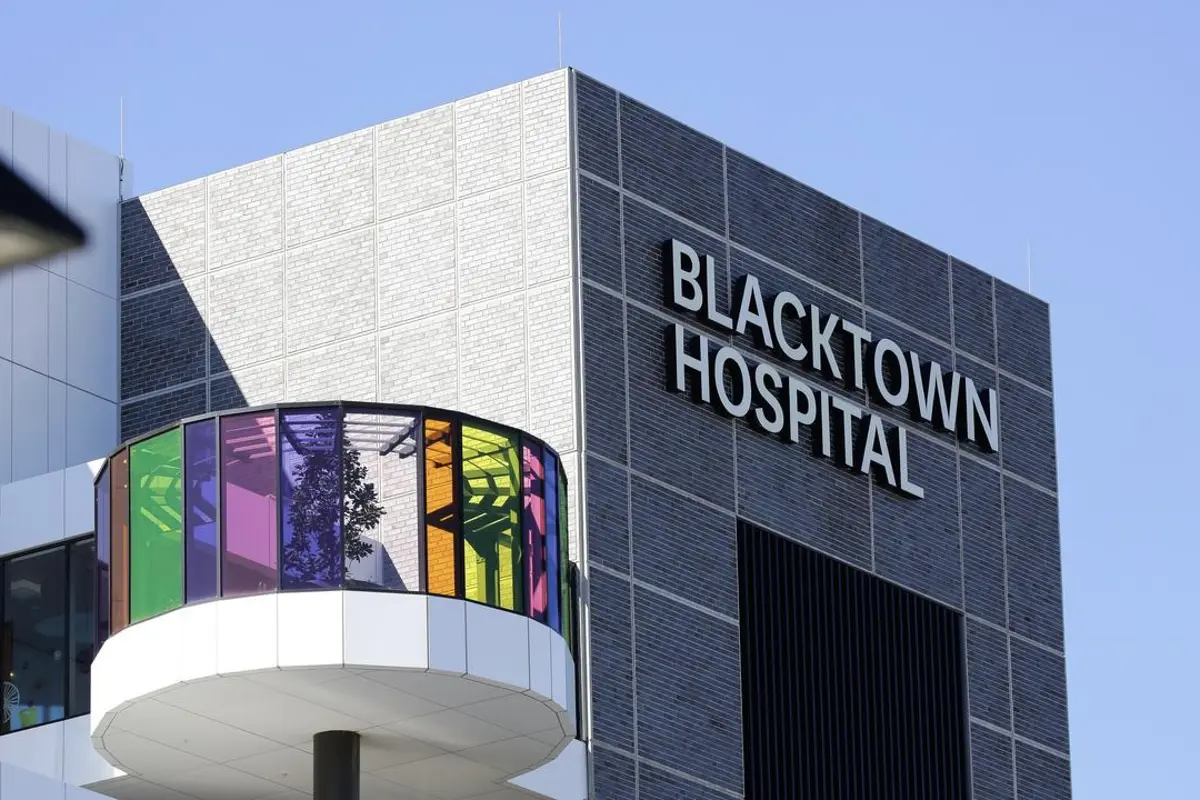
By building adverse drug reaction reporting directly into clinicians' existing patient records system, two Sydney hospitals turned years of near-silence into over 1,600 reports.
For years, Blacktown and Mt Druitt Hospitals in Western Sydney submitted almost no reports of adverse drug reactions to Australia’s medicines regulator: zero in 2018 and 2019, just three in 2020, and nineteen in 2021. Then, in the three years that followed, the two hospitals submitted more than 1,600. The difference? A simple digital tool embedded directly into the hospital’s patient records system.
Adverse drug reactions (ADRs) are a major concern for patient safety around the world, driving emergency visits, prolonging hospital stays, and in some cases causing serious harm. Yet despite their prevalence, the vast majority go unreported. Globally, spontaneous reporting systems are estimated to capture fewer than one in 10 occurring ADRs. The result, as covered in a previous Uppsala Reports article, is a chronic underreporting problem that limits what regulators and researchers can learn about drug safety in real-world settings, and makes it harder to identify safety signals early.
In Australia, healthcare professionals who want to report an ADR must submit a report directly on the Therapeutic Goods Administration (TGA) website. The process competes with the many other demands on a busy clinician's time, is entirely voluntary, and the barriers to reporting are well documented: lack of time, uncertainty about what to report, and simply not knowing how to navigate the system.
The team at Blacktown and Mt Druitt Hospitals decided to try a different approach. In 2022, an automated ADR reporting tool was introduced into the hospital's electronic medical records (eMR) system. Instead of requiring clinicians to complete separate forms or navigate external reporting platforms, the system captures key details, such as the suspected medication, type of reaction, and timing, during routine documentation. These reports are then collated and submitted to the TGA at the end of every month.
The impact was immediate and striking. Before the tool’s introduction, ADR reporting from the two hospitals was negligible. However, between March 2022 and March 2025, the hospitals submitted 1,632 ADR reports to the TGA, representing a roughly forty-fold increase relative to the year before the tool was introduced, and a dramatic shift from a baseline that had been effectively zero for years.

The reports came primarily from nurses, who filed more than half of all cases, with doctors accounting for most of the remainder. Around half involved inpatients, while more than a third were linked to emergency department presentations.
The Blacktown and Mt Druitt study offers clear proof of concept: when reporting is made easier, it gets done. However, the current system is not yet fully seamless. Pharmacists still play a key role in reviewing, validating, and completing reports before submission, which requires additional time and effort. While this human oversight helps ensure quality and accuracy, it also highlights an important limitation: the process is not yet fully automated.
In an ideal future state, ADR reports would be captured, validated, and submitted directly to the regulator with minimal manual intervention. Moving further toward end‑to‑end automation could reduce workload, improve timeliness, and maximise the value of real‑time pharmacovigilance data, turning what is currently a partly efficient system into a truly frictionless one.
The state of New South Wales is currently rolling out a new statewide digital health system. The team behind this study argues that embedding similar automated ADR reporting capability from the outset could dramatically improve medicines surveillance across the state and potentially serve as a model for the rest of Australia.
The lesson from Blacktown is not complicated. If you want clinicians to report, stop asking them to do extra work. Build the tool into the system they are already using, and the reports will follow.
This article is based on a study conducted at Blacktown and Mt Druitt Hospitals, Western Sydney Local Health District, in collaboration with the University of Sydney School of Pharmacy.
Read more:
A Coutinho, "Underreporting in Pharmacovigilance: Where Do We Go From Here?", Uppsala Reports, 2026.
Subscribe to Uppsala Reports for the ideas making medicines safety systems work better.
Subscribe
Jing Xin Goh
MPhil,
School of Pharmacy, The University of Sydney

Ronald L Castelino
Associate Professor, School of Pharmacy, University of Sydney
Mexico's new pharmaceutical waste framework puts One Health into practice, from hazardous-waste handling in hospitals to expired pills in the kitchen drawer.
27 August 2026
At UAM Xochimilco in Mexico, a student-led initiative brought #MedSafetyWeek into classrooms, showing that medication safety can start well before graduation.
02 July 2026
A review of PBRERs assessed between 2023 and 2025 reflects how the SFDA has gradually refined its approach to monitoring medicine safety.
10 July 2026