
Samuel David Chinonyerem
Pharmacist, Founder of Torch & Parrot Nigeria

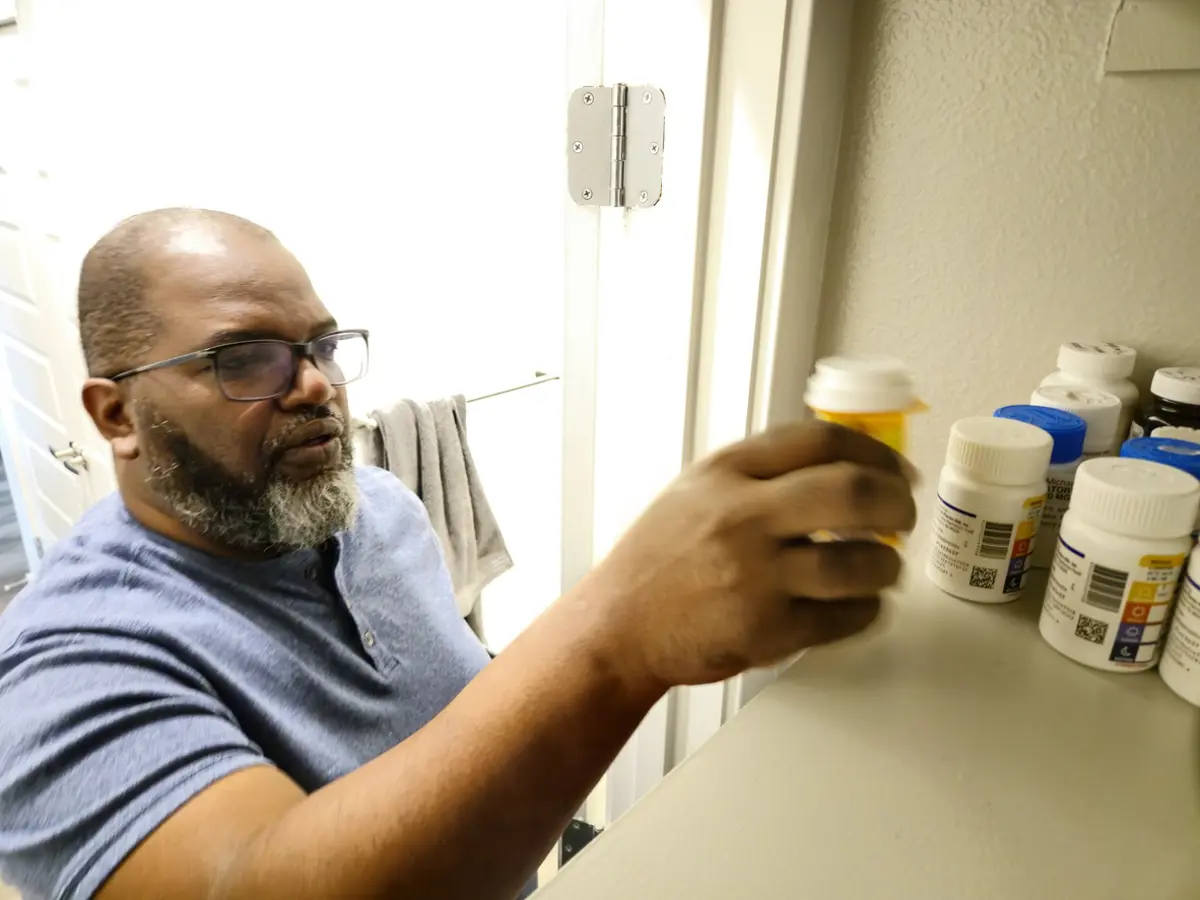
Nigeria’s tighter control of pregabalin raises a wider question: can regulation and traceability reduce harm while preserving legitimate access?
Nigeria has put pregabalin in what pharmacists sometimes call the “poison cupboard”, secure storage for medicines subject to special controls. On 14 September 2026, the National Agency for Food and Drug Administration and Control (NAFDAC) announced that all pregabalin formulations would be classified as nationally controlled medicines. The announcement raises a difficult question: how can regulators reduce misuse and unauthorised supply while ensuring that patients who genuinely need treatment continue to receive it?
Pregabalin treats neuropathic pain and is an additional treatment for certain types of epilepsy. Its benefits coexist with recognised risks of dependence, misuse, and withdrawal, particularly after abrupt discontinuation. Combining it with opioids, benzodiazepines, alcohol, or other central nervous system depressants can increase the risk of serious harm.
Reclassification of pregabalin could help NAFDAC monitor and control the medicine more effectively. Importers and suppliers must obtain additional permits to import and clear pregabalin as a nationally controlled medicine. New identification requirements will also support supply-chain traceability.
From 1 January 2027, secondary packs must carry a Global Trade Item Number (GTIN), Global Location Number (GLN) and unique serial number. These identify the product and packaging level, company or location, and individual pack, respectively. Linked to batch numbers, expiry dates and distribution records, these identifiers support investigations into diversion, falsification, theft and stock discrepancies, as well as targeted recalls.
However, supply-chain data shows where a medicine travelled, not what happened to the person taking it. Pharmacovigilance helps fill that gap.

Reclassification affects how pregabalin is prescribed, creating opportunities for closer monitoring of patient use. Not only do patients need a valid prescription from an authorised prescriber, but applicable controlled-medicine rules may also require these prescriptions to be entered in a controlled drug register, commonly called the “poison book”. By linking specific batches to the patient, prescriber, and pharmacist, these records can help healthcare professionals identify unusual patterns of use and intervene when misuse is suspected.
Early refill requests, unexplained dose escalation, multiple prescribers or withdrawal symptoms may prompt healthcare professionals to assess suspected misuse and potentially dangerous combinations, then intervene without stigmatising patients or disrupting appropriate treatment. NAFDAC’s warning about poisoning risks when pregabalin or gabapentin is combined with opioids or benzodiazepines reinforces the importance of reviewing other medicines taken alongside it.
Where appropriate, suspected adverse reactions should be reported through pharmacovigilance systems. These reports complement prescribing and dispensing records by showing who may be experiencing harm and under what circumstances.
Reclassification is a starting point, not proof of safer use. Nigeria must bring together dispensing records, traceability data, pharmacovigilance reports, and patient feedback to assess whether tighter controls reduce harm without creating barriers to treatment.
The real benefit is what happens outside the cupboard: fewer people harmed, earlier detection of safety signals and unauthorised supply, and continued access for patients who need pregabalin.
Read more:
"List of substances under surveillance 2024: pregabalin", World Health Organization, 2024.
"Drug scheduling: Schedule V includes Lyrica (pregabalin)", US Drug Enforcement Administration.
Reclassifying a medicine is only the start. Subscribe to Uppsala Reports to follow how controls play out for patients in Nigeria and beyond.
Subscribe
Samuel David Chinonyerem
Pharmacist, Founder of Torch & Parrot Nigeria

Chioma Vivian Okafor
Pharmacist, Founder, Beyond the Counter

Ifunanya Precious Osuji
Pharmacist, PharmaHealth

Badeji Funke
Pharmacovigilance specialist, Torch and Parrot Nigeria
By building adverse drug reaction reporting directly into clinicians' existing patient records system, two Sydney hospitals turned years of near-silence into over 1,600 reports.
13 August 2026
In Portugal's decentralised pharmacovigilance system, regional units work close to the people who report. Experience from Coimbra suggests that this can improve ADR reporting.
05 November 2026
Mexico's new pharmaceutical waste framework puts One Health into practice, from hazardous-waste handling in hospitals to expired pills in the kitchen drawer.
27 August 2026