
Samuel David Chinonyerem
Pharmacist, Founder of Torch & Parrot Nigeria

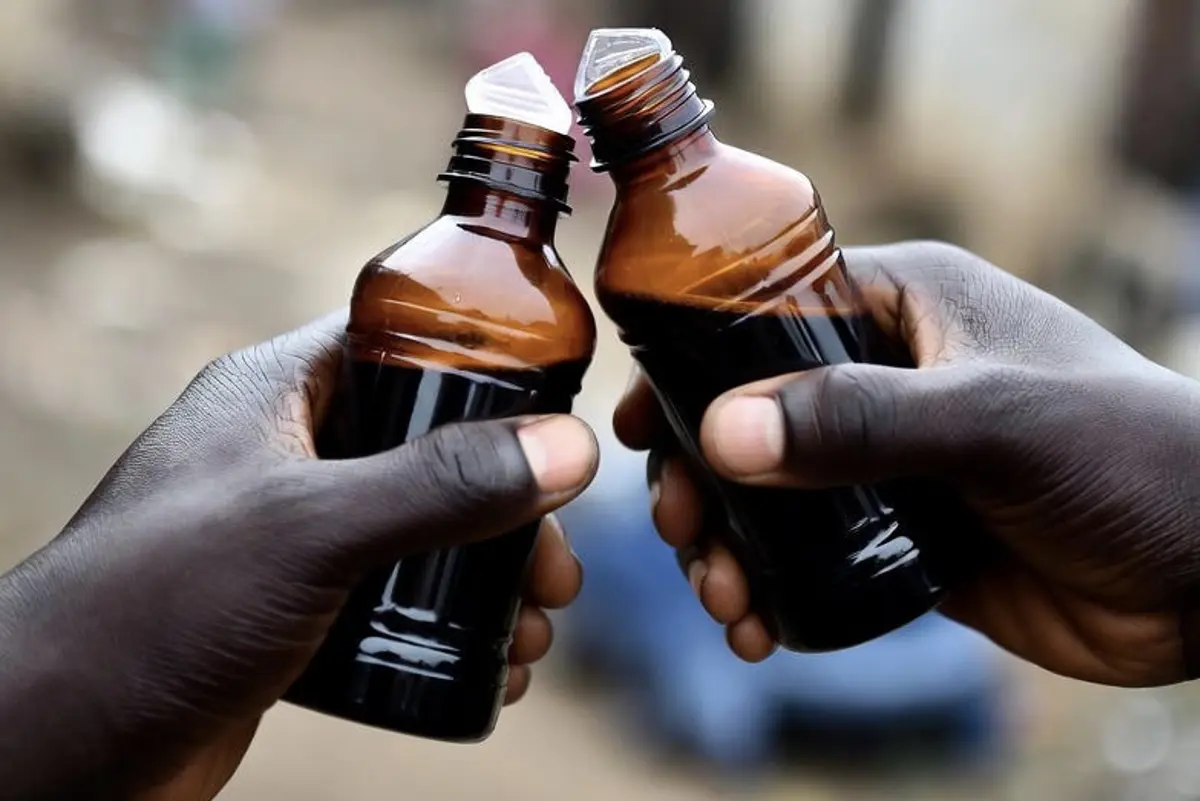
Two-thirds of pharmacists in Nigeria witness weekly cough syrup abuse, yet poor reporting systems and unclear guidelines prevent effective intervention, leaving its youth at risk.
In a busy pharmacy in Lagos, Nonye, a community pharmacist, noticed something wrong one afternoon. A group of young men in their mid-20s bought several bottles of a common over-the-counter cough syrup. They showed no signs of cough or illness, laughing nervously as they quickly left.
Moments like these happen often all over pharmacies in Nigeria; youths aged 15 to 35 buy cough syrup containing active substances like codeine, which they mix with soda or alcohol, to get high. Since Nigeria banned codeine products in 2018, they now turn to syrups with diphenhydramine or dextromethorphan, which have similar effects. What begins as “fun” can quickly become an addiction, with side effects like hallucinations and seizures, and eventually serious mental health problems. Community pharmacists stand on the front line of this blatant misuse of the medicine, having to deal with it every day but lacking the power to stop it.
This problem is widespread across cities in Nigeria. A survey in October 2025 asked 45 active community pharmacists in Lagos, Ogun, Ondo, Rivers, and Abuja about their experiences. The results show a clear trend: two-thirds, or 67 per cent of the pharmacists, see youths buying large amounts of these cough syrups every week or month. They most often occur in busy urban pharmacies, with cough syrups containing diphenhydramine leading the list in 78 per cent of these cases. Warning signs include coming back often for the same item, taking many bottles at once, or acting nervous and avoiding answering questions.
Considering these clear signs of misuse, why do sales continue? Nearly half the pharmacists, 44 per cent, point to current health legislation, stating that it makes it hard for them to act. Medicines sold over the counter need no prescription. While this helps those who need it get relief from disease symptoms fast, it also blocks efforts in ensuring medicines safety. Another 22 per cent say they cannot refuse a sale as they fear losing money or facing angry buyers. Especially in busy pharmacies with a lot of foot traffic, there is not enough time to advise customers on the safe use of the medicine. One pharmacist wrote, "I try to warn them of possible side-effects [of the cough syrup], but long queues make it hard to really warn them."

The resulting side effects of this misuse can be very serious, according to one third of the pharmacists who were interviewed, yet none sent reports to the Nigerian National Agency for Food and Drug Administration and Control (NAFDAC). The top reason, named by 33 per cent of the surveyed pharmacists, is a lack of clear reporting guidelines, as well as a lack of time. This underreporting has far-reaching consequences. Hidden abuse of these cough syrups raises hospital costs for addiction care and is a big burden on public funding. Families suffer private and public shame, and as a result, those who need it most avoid talking about their addiction and seeking help in fear of bringing more shame to their loved ones and themselves.
Several solutions have been suggested by pharmacists interviewed regarding medicine misuse. The majority (80%) support implementing stricter regulations, such as requiring prescriptions for over-the-counter cough syrups containing diphenhydramine and dextromethorphan, which are commonly misused, to help reduce abuse. Additionally, a slight majority (56%) favour enhanced training to better identify potential misuse.
More experienced pharmacists advocate for more robust harm tracking systems and user-friendly mobile apps for reporting side effects to medicines. They recommend the creation of a fully centralised mobile reporting application specifically designed for harm tracking, enabling pharmacies to report and flag suspicious purchases instantly, thereby making the reporting process faster and more efficient. This targeted measure could facilitate the translation of everyday observations into prompt action, helping to prevent substance abuse in its early stages.
Nigeria's young people hold the future. They need to be safeguarded from the risks of abusing over-the-counter medicines. With the right tools and support, such as clearer reporting guidelines, better medicine regulation, and support from the community, pharmacists like Nonye can stand ready to defend them. The survey results speak loud and clear: act now to protect health for years ahead. As one pharmacist said, "We watch the danger grow. It is time to act as one."
READ MORE:
Samuel David Chinonyerem
Pharmacist, Founder of Torch & Parrot Nigeria
Since 2020, the ICPV has worked to improve drug safety reporting at Instituto Nacional de Cardiología Ignacio Chávez, with promising outcomes.
16 October 2025
The annual #MedSafetyWeek campaign reminds us that medicines work best when they're safe. In Aligarh, healthcare workers came together to make that message a living reality.
19 November 2025
Two new films document UMC's collaboration with Brazil's Anvisa, exploring how VigiFlow and WHODrug are strengthening pharmacovigilance across the country.
19 March 2026