
Uppsala Reports editor
@UMCGlobalSafety

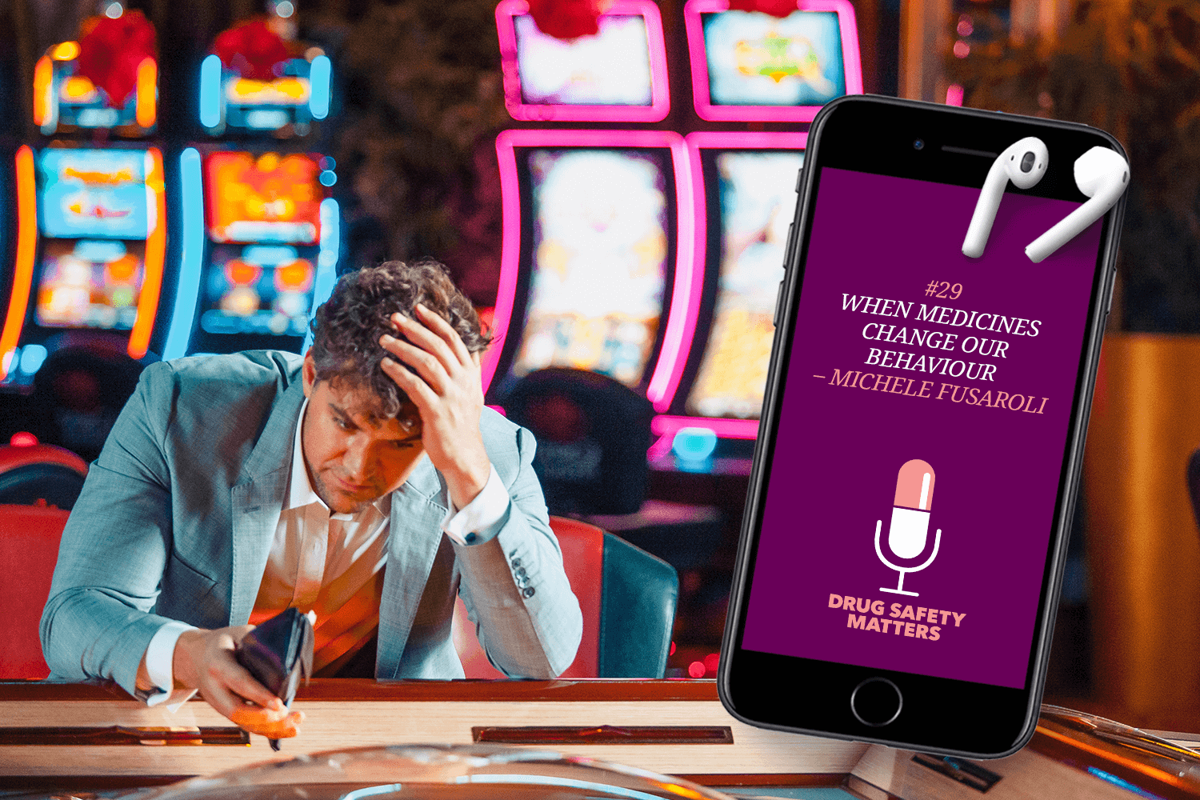
Adverse effects to medicines are not just physical in nature, but can manifest as behavioural side-effects too. How do we diagnose and treat these complex ADRs?
Drug-induced impulse control disorders have the potential to negatively impact overall quality of life, but are especially hard to identify, diagnose, and treat. In the latest Drug Safety Matters podcast, Michele Fusaroli of the University of Bologna describes which types of medicines are most likely to cause these impulsive behaviours, and how listening to patient stories can be a huge help in their detection and treatment.
Subscribe by visiting the Drug Safety Matters website or listen to the podcast here:
Uppsala Reports editor
@UMCGlobalSafety
Analysis of paired reports from the Norwegian ADR Registry suggests merging consumer and healthcare professional accounts of the same adverse event may improve causality assessment
19 August 2026
Complementary medicines are widely used and often perceived as safe, yet high doses, product stacking, and unclear labelling can quietly increase the risk of harm.
07 April 2026
An Australian research team is using artificial intelligence to improve the safe dosing of unfractionated heparin, a high-risk drug linked to serious side effects.
30 March 2026