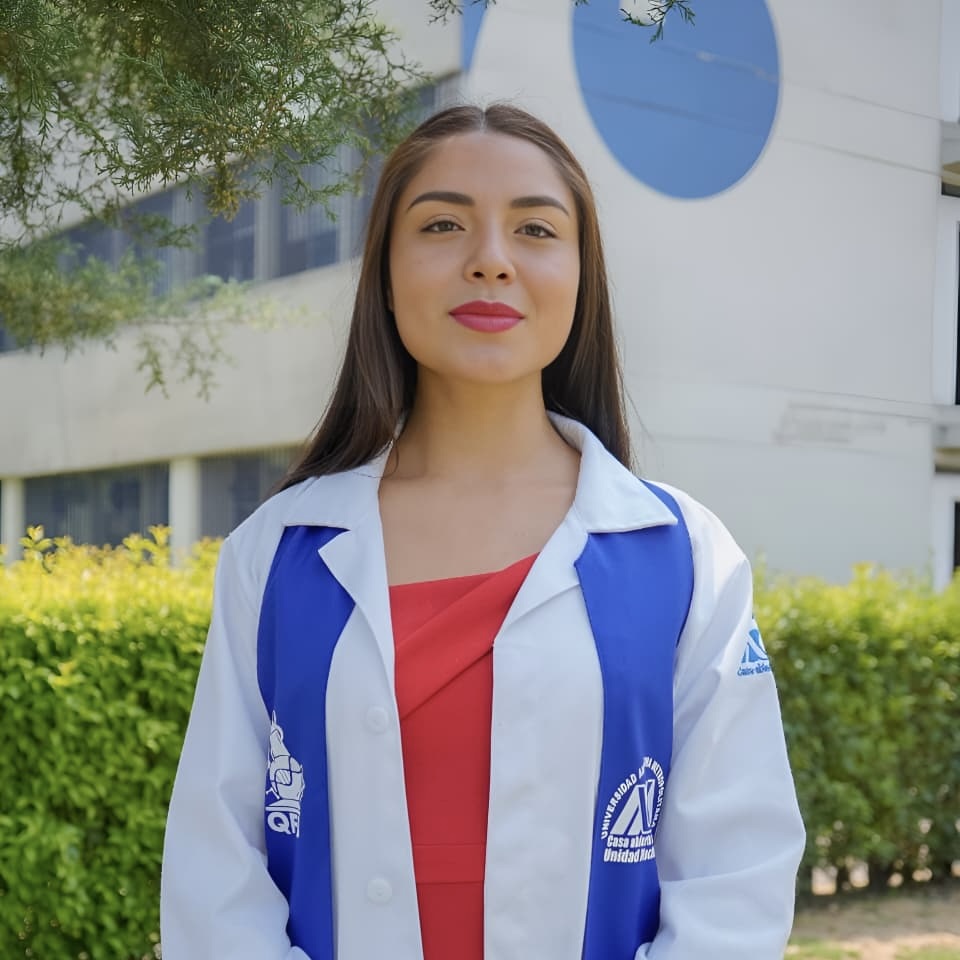
Diana Laura González González
Pharmaceutical Chemistry and Biology undergraduate, Universidad Autónoma Metropolitana (UAM), Xochimilco campus

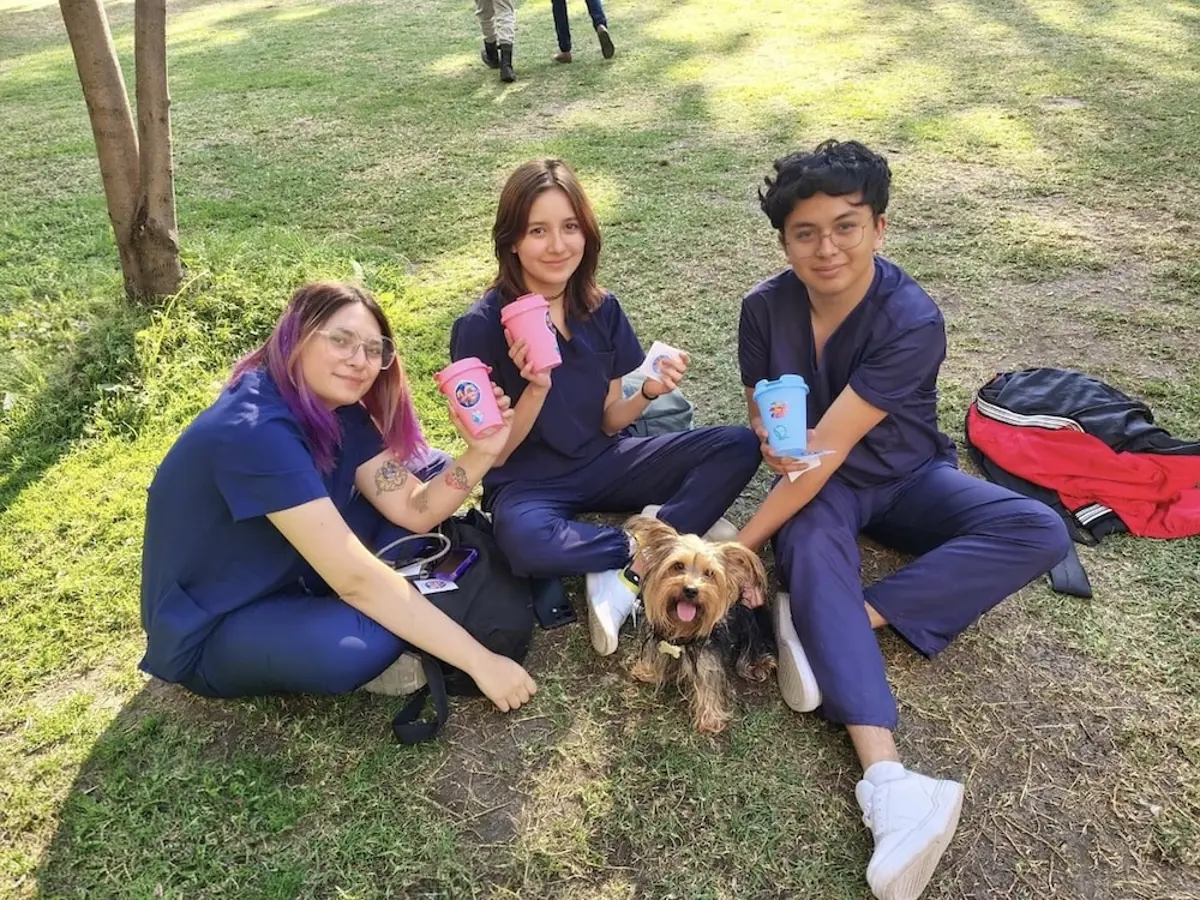
At UAM Xochimilco in Mexico, a student-led initiative brought #MedSafetyWeek into classrooms, showing that medication safety can start well before graduation.
Pharmacovigilance is a key tool for identifying risks associated with drug and vaccine use in real-world settings, as it strengthens the reporting of adverse drug reactions (ADRs) and contributes to patient safety. However, its effectiveness largely depends on the active participation of healthcare professionals, making it essential to strengthen this culture early on in their education.
At what point does a health sciences student begin to contribute to patient safety? It is often assumed that they take on this responsibility once they have entered the workforce, but a recent experience in Mexico suggests otherwise: that health science students can already contribute to medicines safety during their studies.
Mexico has been an active participant in #MedSafetyWeek, Uppsala Monitoring Centre's global campaign dedicated to promoting pharmacovigilance and medication safety, since 2019. In Mexico, the campaign is coordinated by the Federal Commission for Protection against Sanitary Risks (COFEPRIS) through the National Centre for Pharmacovigilance. While institutional participation has been consistent throughout this time, university classrooms remain an under-explored space for spreading the campaign message. So, in 2025, I proposed taking the campaign to the Xochimilco campus of the Autonomous Metropolitan University (UAM) in Mexico while completing my social service at COFEPRIS.
My goal was clear: to bring together students studying to become doctors, nutritionists, nurses, dentists, and pharmaceutical chemists, to raise awareness about pharmacovigilance and the importance of reporting side effects by participating in #MedSafetyWeek. The project comprised three stages, where I aimed to learn more about my audience, run a week-long campaign, and then reinforce the campaign message among the students.

The first phase consisted of getting to know my audience. I did this by testing students’ knowledge and gauging their interest in the topic on social media and through printed and online surveys. The initial survey, answered by 32 students, revealed that, although 58.3% wanted to participate in the campaign, 45.8% identified not knowing how to report a side effect. These findings suggest that the main barrier to pharmacovigilance is not a lack of interest, but rather a lack of knowledge about how to take action.
During the main week of the campaign, I shared digital materials such as videos and animations on the institution’s social media channels, but I found that the greatest impact occurred in the classrooms, where I explained the importance of reporting as an act of care for the patient and encouraged discussions among the students themselves. By demonstrating the ADR reporting platforms, pharmacovigilance ceased to be a distant concept and became a familiar tool.
The third phase consisted of reinforcing the message through physical materials such as bags, cups, stickers, and T-shirts, strengthening the campaign’s identity. More than just simple gifts, these became symbols that students could carry with them, reminding them that they are part of a global mission to improve patient safety, even before graduating.
The success of the campaign was evaluated through a post-campaign survey, which 150 students answered. These results demonstrate a significant impact on students’ attitudes to, and knowledge of, pharmacovigilance. The outreach expanded outside the initial student cohort to other health-related majors, and participation increased 400% compared to the initial survey. The clarity of the materials was also key: 88.6% found them useful and easy to understand. Before the intervention, more than 62% of the campaign participants had not participated in activities related to ADR reporting, and 25% had not even heard of pharmacovigilance before.
The real achievement lay not only in the numbers, but in the change to students’ attitudes towards ADR reporting. For many students, lessons learned went beyond the academic, with many expressing that this knowledge could help them and those close to them. One student even noted: “I feel motivated to report ADRs because it would prevent someone else from going through the same thing”.
The experience helped students from different majors understand that patient safety does not depend on a single profession, but on everyone who is part of the healthcare system. One comment was frequently repeated: “It’s a great way to spread awareness; it no longer focuses solely on graduates, but on those of us who are still in the process of becoming professionals.” That phrase sums up the heart of the project: when awareness is instilled early on, pharmacovigilance becomes a natural part of professional practice.
What has happened at UAM Xochimilco offers a lesson that extends beyond the local level: the university not only imparts technical knowledge but also builds culture. In this sense, every student who understands the process and decides to report becomes an active part of a safer healthcare system.
Special thanks to Gandi Rayón Ramírez, Pharmacovigilance analyst at COFEPRIS, for his invaluable support and guidance as the institutional liaison who made this campaign possible.
With contributions from: Norma Angélica Noguez Méndez, Alma Elena Ibarra Cazares, and Luis Amado Ayala Pérez.
Read more:
The #MedSafetyWeek campaign website
F Santoro, "From regional experiment to global movement", Uppsala Reports joint issue 92&93, 2025.
From classrooms in Mexico to campaigns across the world, Uppsala Reports brings you the stories shaping medicines safety. Subscribe now
Subscribe
Diana Laura González González
Pharmaceutical Chemistry and Biology undergraduate, Universidad Autónoma Metropolitana (UAM), Xochimilco campus
A review of PBRERs assessed between 2023 and 2025 reflects how the SFDA has gradually refined its approach to monitoring medicine safety.
10 July 2026
By building adverse drug reaction reporting directly into clinicians' existing patient records system, two Sydney hospitals turned years of near-silence into over 1,600 reports.
13 August 2026
Mexico's new pharmaceutical waste framework puts One Health into practice, from hazardous-waste handling in hospitals to expired pills in the kitchen drawer.
27 August 2026