Renly Lim
Associate Professor, Adelaide University, Australia

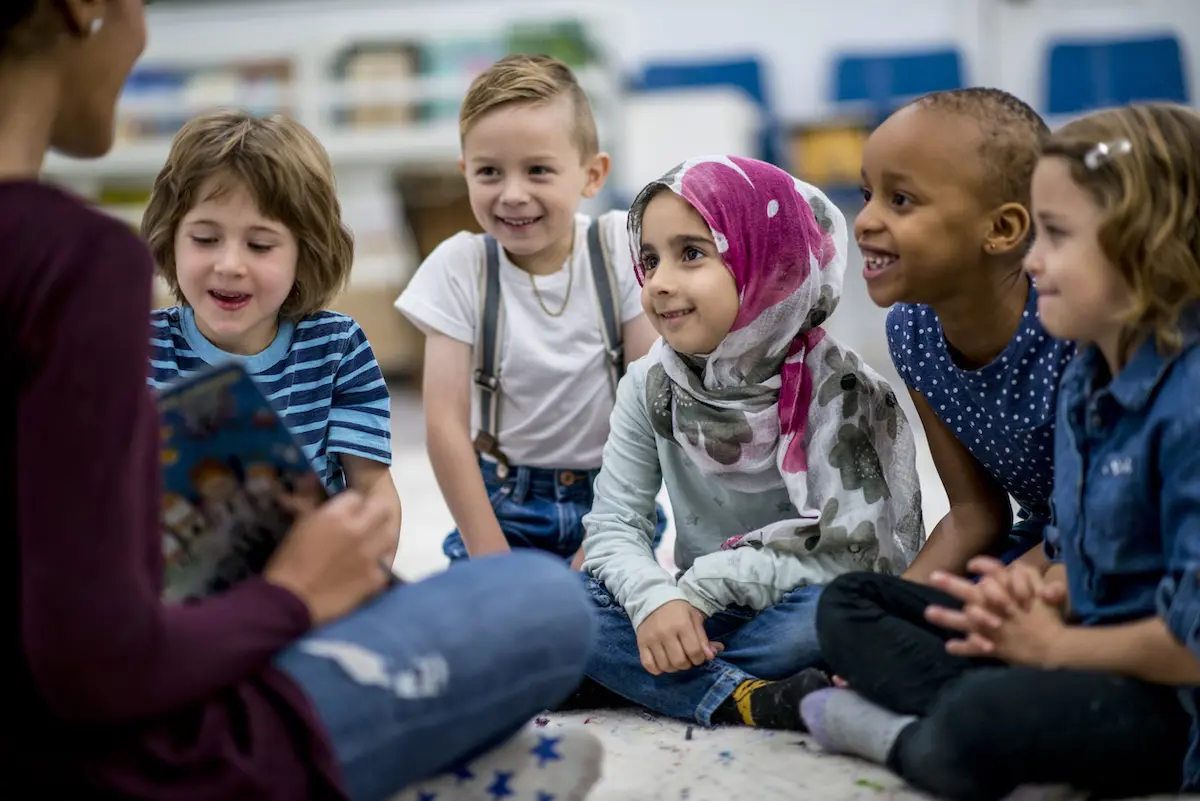
Early encounters with medicines shape how children understand health for life. When those moments are positive and informed, they protect the whole family.
For most children, a trip to the local pharmacy can feel quite ordinary. But for others, it can be confusing, intimidating, or even distressing. Unlike adults, children are still learning how to make sense of illnesses, follow instructions, and navigate unfamiliar environments. Children are not “small adults”; their bodies respond differently to medicines, and they often lack the vocabulary to explain what they are feeling. This creates a critical gap – not only in day-to-day medicine use, but in the ability to recognise and communicate when something is wrong. This leaves caregivers to bridge a health literacy gap while managing what is often assumed to be a “simple” task of keeping their children safe when using medicines.
As pharmacists, researchers and caregivers, we are faced with the question: how do you explain medicines to a child in a way that is clear, reassuring and not intimidating? Families often describe the challenge of helping children understand why some medicines must be taken exactly as prescribed, why others need to be stopped, why self-administration is not always safe, and why preventive measures such as vaccinations matter. These are not small communication hurdles; they are foundational moments in the development of health literacy and early safety behaviours, often introduced during times of stress, uncertainty, or illness, when misunderstandings can carry lasting consequences.
To better support caregivers, our team of researchers from Adelaide University realised we first needed to engage children. This led to the creation of Pharmacy Adventure, a co-designed educational initiative that reframes medicine use as a journey of discovery rather than a set of instructions. At its heart is the children’s picture book Maya’s Pharmacy Adventure, developed by our team in collaboration with illustrators, health professionals, and early childhood educators. Published in late 2024 and supported by play-based learning resources, the book translates clinical concepts into a child-friendly narrative grounded in curiosity, safety, and care. This book introduces early concepts of medicines safety, such as what medicines are, when they are needed, the different forms medicines can come in, and how to store them safely.
Since its release, the book has reached more than 2,500 families in Australia. It has also been translated into Spanish, Portuguese, Amharic, and Japanese, following unsolicited requests from health professionals eager to share the book within their own communities. Demand for workshops and interactive sessions across childcare centres, kindergartens, and libraries quickly outpaced what could be delivered individually, highlighting an unmet need for early childhood medicine education.

For some families, the impact has been deeply personal.
In early 2025, Michelle’s three-year-old son, Hudson, nearly died following a catastrophic medicine error. A compounding mistake resulted in a tenfold overdose that went undetected for over six weeks. The consequences were substantial – physically, emotionally, and developmentally – leaving the family to navigate a long and complex period of medicine-related trauma.
During Hudson’s recovery, Maya’s Pharmacy Adventure became more than a book; it became a tool for understanding and healing.
Michelle describes its impact:
“Your book is helping him find the words for such a big and confusing experience at such a young age. Your book is brilliant on its own, but in the context of Hudson’s situation it has been a blessing. It’s given us a way to have conversations we didn’t know how to start, and I cried last night when he made those comments [about his medicine overdose] because it felt like he finally understood.”
Through repeated shared reading, Hudson gradually found the words to describe what had happened to him. Over time, this helped him rebuild a sense of safety around medicines and pharmacists, rather than perceiving them as a threat.
For Michelle, the book opened doors that had previously felt closed. It enabled conversations that were emotionally difficult, yet essential, supporting both her child’s recovery and her family’s healing. However, their experience also highlighted how unprepared healthcare and health literacy systems are to support young children in understanding medicines, particularly in the aftermath of traumatic medical events.
Our work is now expanding with a clear aim to embed medicine safety as a foundational life skill from early childhood.
Working alongside illustrators, healthcare professionals, and educators, our team is helping to build a culture where children come to see medicines as tools that support health, but are not always necessary, and should always be handled with care. Just as importantly, children are encouraged to ask questions, speak up, and take an active role in their own well-being.
When children have the language to express themselves, and caregivers are supported to listen and respond, medicine use becomes safer for everyone. We aim to make medicine safety a foundational life skill, so every “healthcare adventure” is safe from the very beginning. In doing so, we are fostering lifelong safety behaviours and supporting a future generation who can recognise, communicate, and contribute to medicine safety, strengthening pharmacovigilance through earlier awareness, engagement, and shared responsibility.
To learn more about Maya and her pharmacy adventure, visit pharmacyadventure.com.
Read more
Subscribe to Uppsala Reports to read them first.
Subscribe
Renly Lim
Associate Professor, Adelaide University, Australia

Jun Ni Ho
Community pharmacist, Direct Chemist Outlet, Torrensville, Australia
Working together with students on their signal assessments made clear to teachers the challenges that national centres face in their pharmacovigilance work.
25 August 2023
BoMRA have taken a significant step to better manage AEFI reporting with a training programme that aims to empower them to train their staff and HCPs.
13 June 2024
As younger generations look to social media for guidance, both medical and otherwise, should health literacy became a part of the school curriculum?
30 October 2025