
Matthew Barwick
Communications officer & video producer, UMC

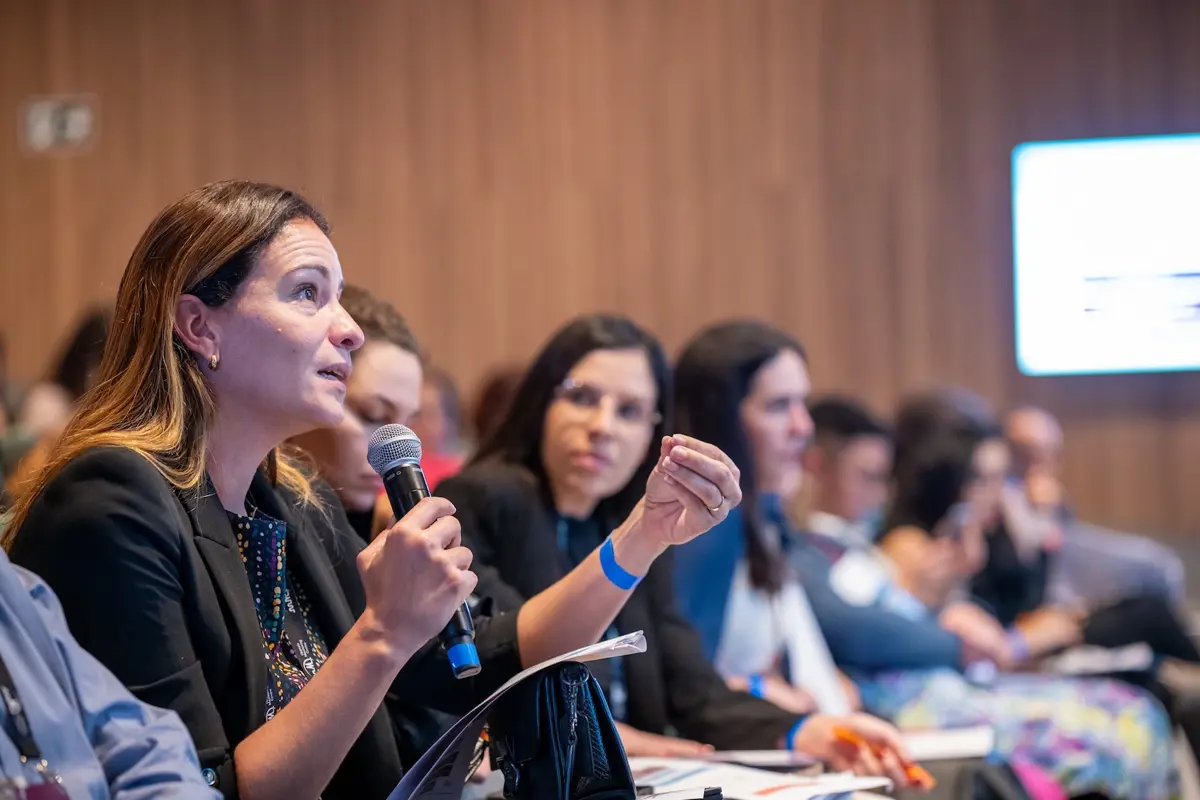
Two new films document UMC's collaboration with Brazil's Anvisa, exploring how VigiFlow and WHODrug are strengthening pharmacovigilance across the country.
Through the WHO PIDM in Focus series, Uppsala Monitoring Centre (UMC) has used film to highlight the work that is being done globally to improve the safer use of medicines and vaccines and shows how UMC’s PV products and training help programme members strengthen their safety surveillance systems. In the next film in this series, we travel to Brazil.
UMC has had a close relationship with Anvisa, Brazil’s national regulatory agency, for many years, and VigiFlow (known as VigiMed in Brazil) has been at the heart of the country’s pharmacovigilance system since 2018. This has supported the shift from a centralised model to a more decentralised approach, making it easier to collect, share, and analyse safety data at the district level.
In August and September 2025, UMC staff travelled to Brazil to support Anvisa in a range of pharmacovigilance activities. These included a national pharmacovigilance meeting in the capital, Brasilia, for healthcare professionals, with training in VigiFlow, WHODrug, and MedDRA. UMC also hosted the first Latin American WHODrug User Group Meeting in São Paulo, offering training to industry as part of the WHODrug mandate that came into effect in Brazil in March 2026.
These activities allowed us to explore how pharmacovigilance is operating in Brazil, and through visits to regional PV centres, hospitals and specialist healthcare providers, we captured many different experiences and perspectives. The result is two new short films in the WHO PIDM in Focus series. The first film shows how VigiFlow is being used across the healthcare system to support the collection, management, and sharing of safety data. The second film highlights the work Anvisa has done with the pharmaceutical industry to improve reporting and standardisation of data through the implementation of VigiFlow for Industry eReporting and WHODrug.
With these films and the series as a whole, we want to show above all that medicine and vaccine safety are built on collaboration and how UMC’s tools help make that collaboration possible. Whether it’s teamwork within a pharmacovigilance unit in a hospital or a partnership between Anvisa and the vast network of healthcare providers and industry across the country, the goal is always the same: patient safety. As Flávia Neves Rocha Alves, head of pharmacovigilance at Anivsa, says: “Pharmacovigilance is not done alone – we have to work together. Reporting is an act of care. So whether you’re a healthcare professional or a citizen, when you report, you are contributing to the safety of medicines.”
We invite you to watch both films and see the people and partnerships driving pharmacovigilance forward in Brazil.
Matthew Barwick
Communications officer & video producer, UMC
Launched at the 2025 Cairo meeting, the new ISoP MENA Chapter merges two former chapters to strengthen medicine safety across the region.
25 June 2026
Community pharmacists in Nigeria are witnessing a troubling rise in dexamethasone misuse for cosmetic weight gain, a hidden public health threat demanding urgent action.
18 June 2026
A yellow fever outbreak in Tolima, Colombia, put the region's pharmacovigilance system to the test. Here's how rigorous vaccine surveillance protected the community.
11 June 2026